
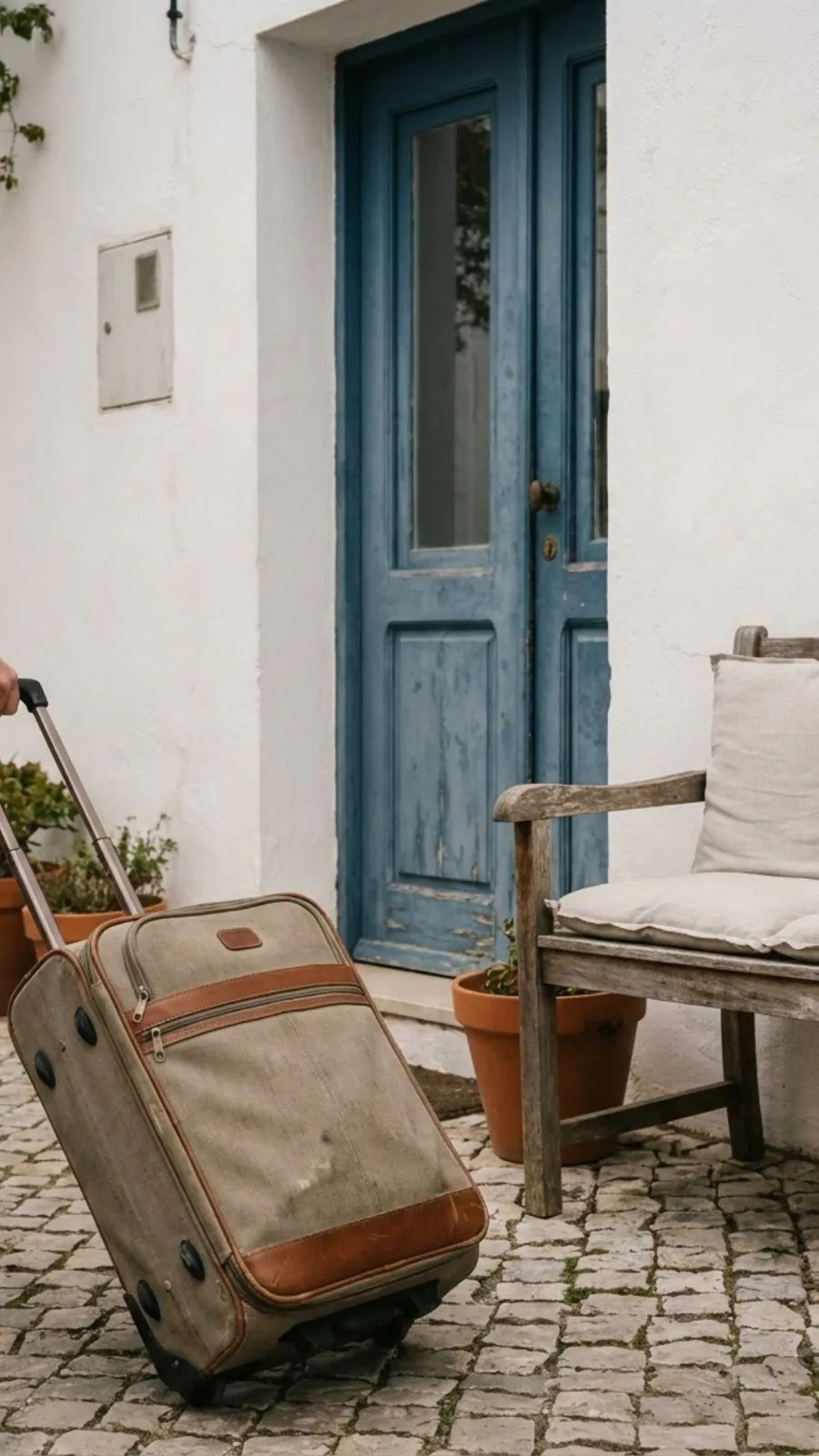

End of Tenancy Cleaning in Portugal: A Room-by-Room Checklist
Whether you are the tenant leaving or the landlord getting ready for the next one, the handover goes better when the house is properly clean. Here is what that means.
The builders have gone, and everything is covered in fine grey dust. Cleaning after a renovation is a different job from any other, and getting it wrong can damage new finishes.
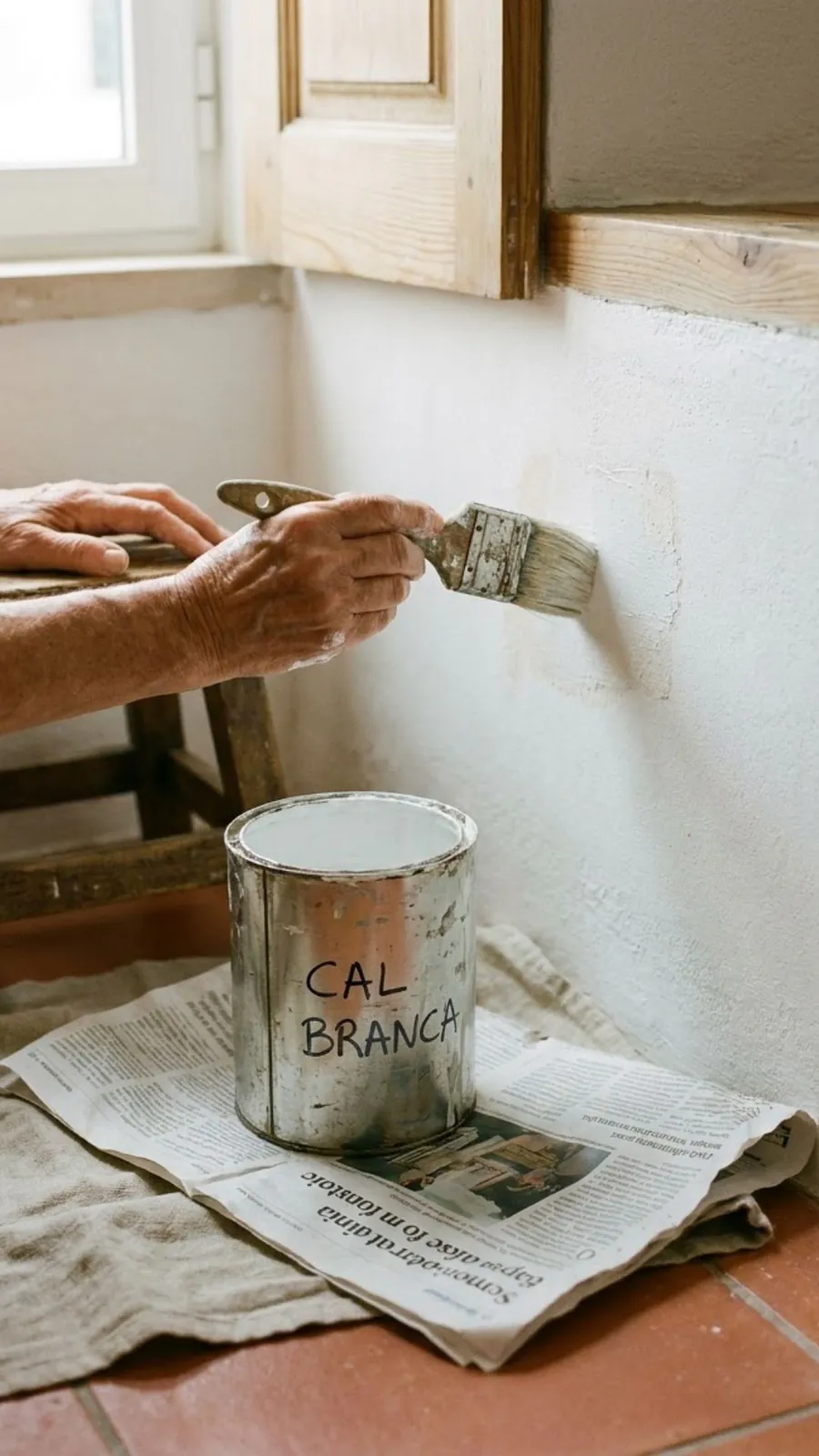
The day the builders leave is exciting and slightly dispiriting at the same time. The new kitchen is in, the bathroom is finished, and every single surface is covered in a fine grey powder that seems to come back no matter how often you wipe it. Post-renovation cleaning is not a bigger version of a normal clean. It uses different methods, it happens in stages, and some of the most common shortcuts can permanently mark new stone, tiles or glass.
Construction dust is much finer than household dust. It hangs in the air, settles on top of everything, and then settles again after you have cleaned. That is why we work in rounds rather than once:
After tiling, a thin cloudy film of grout or cement often stays on the surface. On glazed ceramic tiles, it can usually be removed with a cleaner made for that purpose, used exactly as the label says. Always test on a spare tile or a hidden corner first, rinse thoroughly, and ventilate the room. Never use these products on natural stone, and never mix them with bleach or other cleaners.
The Algarve loves natural materials: marble worktops, limestone floors and steps, terracotta and tijoleira, polished concrete. They are beautiful, and they are the surfaces most easily damaged after building work.
Windows and glass doors almost always come out of a renovation with paint flecks, silicone smears and supplier stickers.
It helps to be clear about where cleaning ends, so everyone plans correctly:
A short walk-round with the builder before they leave, with a list of anything still to fix, saves a second visit later.
Our post-construction cleaning follows the stages above and treats each surface with the care it needs. After building work, it runs from €195 to €445, with the final price set by a free quote. If you are moving in straight after, we can combine it with a deep clean of appliances and cupboards. If the house is a rental, our end-of-tenancy checklist covers what the next occupant will look at.
Tell us what was renovated, the typology, the materials (stone, tiles, wood, large glass) and when the builders finish, and ask for a quote through the form. When we contact you, photos of the rooms as they are now help a great deal.
Whether you are the tenant leaving or the landlord getting ready for the next one, the handover goes better when the house is properly clean. Here is what that means.
We publish a price range for every service, so you know roughly where you stand before you ask. Here is what sits inside each range and how the final price is set.
A house shut all winter is not simply paused. Here is what the first clean of the season should cover, and what you can do yourself before the team arrives.
Tell us about your home in about a minute. We call you the same day with your price.